Master your game! Compare Hockey Stick Types: Wood vs. Composite, flex ratings, and durability. Choose the right stick for maximum power.
The fundamental piece of equipment defining hockey has dramatically evolved from humble beginnings. You can trace the Modern stick origins back to beautiful, single-piece wooden shafts crafted by Indigenous communities centuries ago. However, today’s choice is a complex decision between two distinct Hockey Stick Types: the traditional wood models and the revolutionary composite versions. Understanding this difference is critical. You must know how the Materials & Construction of your stick directly impacts key factors like Shot velocity and power transfer and crucial Puck handling and passing ability during play.
Contents
- 1 Why the Right Hockey Stick Type Matters
- 2 Hockey Stick Types: Wood vs. Composite Explained
- 3 How Flex Rating Affects Your Shot Power
- 4 Understanding Stick Curves and Blade Patterns
- 5 Choosing the Right Stick Length and Weight
- 6 Grip vs. Non-Grip: Which One Improves Control?
- 7 Caring for Your Stick: Maintenance and Longevity Tips
- 8 How Pros Choose Their Hockey Stick Types
- 9 Common Mistakes to Avoid When Buying a Hockey Stick
- 10 Final Thoughts Finding Your Perfect Match on the Ice
Why the Right Hockey Stick Type Matters
The humble hockey stick is more than simple equipment it’s a precise extension of your own body on the ice. You must choose the right model carefully. The difference between ancient single piece wood sticks and a modern carbon fiber hockey stick is vast. The entire Ice hockey stick evolution reflects centuries of change in the sport.
You need to match the stick’s physics to your own unique body and playing technique. Getting this choice wrong severely limits your speed and effectiveness in crucial moments. Understanding the difference between the two main Hockey Stick Types instantly elevates your game.
Hockey Stick Types: Wood vs. Composite Explained
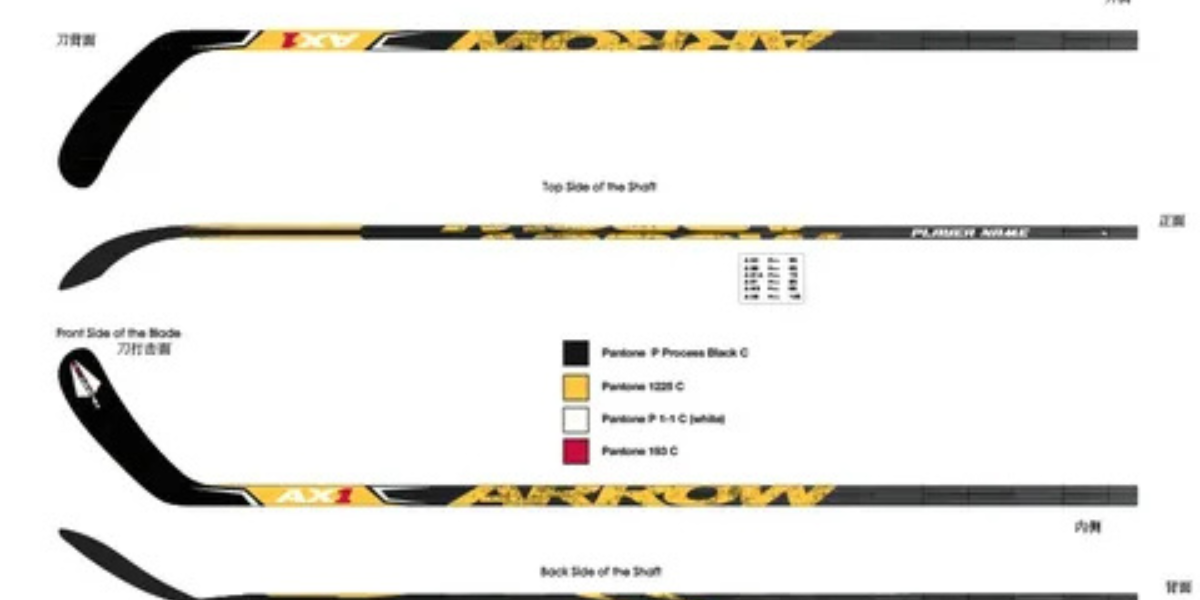
We divide modern sticks into two broad categories based purely on their Materials & Construction. Wood vs composite hockey stick which is better? That is the question every player faces. Wood provides a classic feel.
Wood shafts utilize traditional Wooden stick manufacturing methods and offer unparalleled tactile feedback for the player. Conversely composite materials like fiberglass hockey stick and carbon fiber are engineered for elite performance. These modern sticks deliver superior rigidity and lighter weight than wood can ever offer.
How Flex Rating Affects Your Shot Power
The flex rating defines the stiffness of your stick. You must choose a flex rating that corresponds directly to your body weight and shooting style. This number represents the pounds of pressure required to bend the shaft one inch. For instance, an 85 flex requires 85 pounds of force.
Correct Understanding hockey stick flex is vital for maximizing power transfer into the puck. A stick with too high a flex will feel like a heavy pipe and rob your shot of speed. However, a stick with too low a flex won’t feel solid enough during a hard slapshot. You should generally aim for a flex roughly half your body weight for optimal whip.
Understanding Stick Curves and Blade Patterns
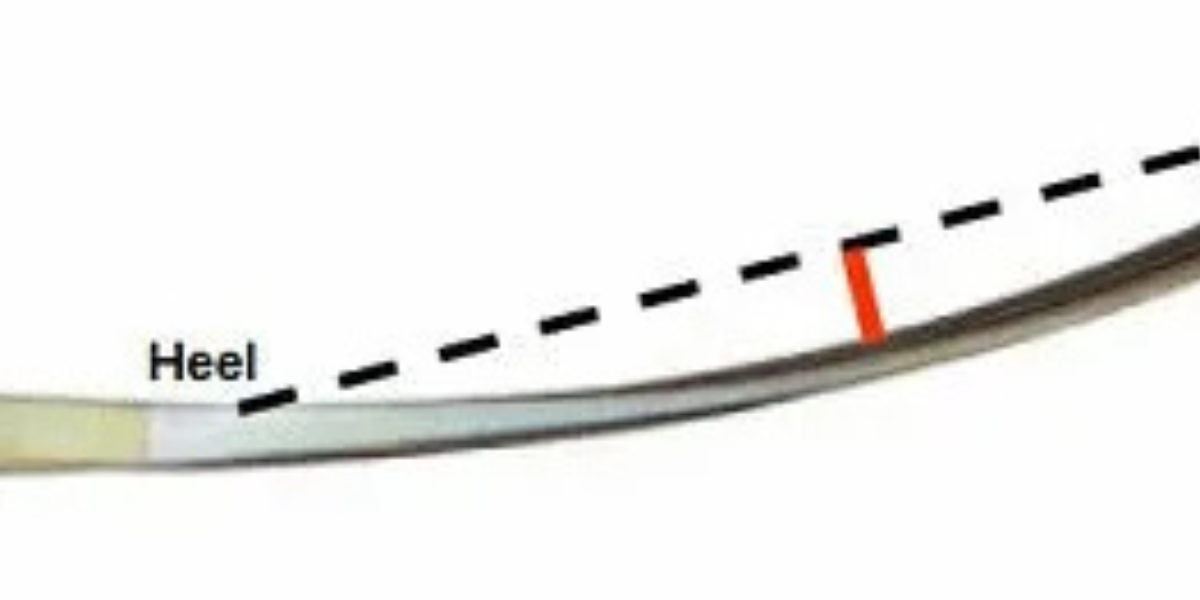
The blade’s shape dramatically dictates how you handle the puck and what kind of shot you can execute. The curve—or “pattern”—in the blade determines the trajectory of your shots. Deeper curves aid loft and increase spin on the puck.
The “lie” of the blade is also crucial; this angle dictates how the shaft rests against the ice. Choosing the correct lie ensures the entire blade remains flush with the ice surface during Puck handling and passing. Using a pattern that matches your style helps you quickly move the puck from receiving to shooting.
Choosing the Right Stick Length and Weight
Selecting the correct length must account for whether you are standing on or off skates. Generally, the stick should reach your nose when standing without skates. This height ensures the best balance between reach and maneuverability.
Forwards often favor a slightly shorter stick length for improved Puck handling and passing in confined areas. Conversely, a Best stick for defensemen is often longer, maximizing reach for poke-checks and intercepting passes. The Stick weight comparison shows that lighter sticks offer faster reaction time, confirming Does stick weight matter in hockey for quick plays.
Grip vs. Non-Grip: Which One Improves Control?
The finish applied to the shaft is a matter of crucial personal preference for players. Grip-finished shafts feature a tacky coating that locks your top hand in place. This fixed position grants maximum leverage and explosive power transfer during hard slapshots.
However, non-grip shafts have a smooth, matte finish that allows the player’s top hand to slide easily. This smooth finish is preferred by expert stickhandlers who prioritize rapid repositioning over pure shot leverage. You can always use Stick tape patching to customize the feel of a non-grip shaft.
Caring for Your Stick: Maintenance and Longevity Tips
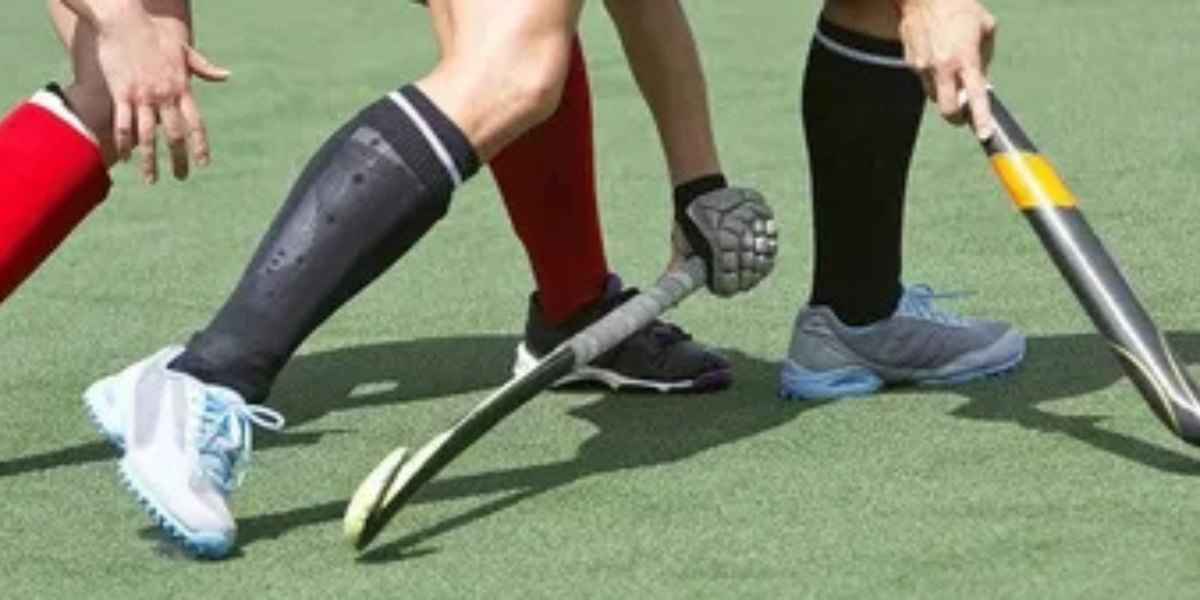
You must establish a rigorous maintenance routine for both Hockey Stick Types to extend their useful Equipment longevity. For wood stick maintenance, you must regularly inspect the shaft for splinters and immediately patch them with tape. Always prevent wood sticks from absorbing moisture to stop warping.
When Caring for composite sticks, you should immediately fill any minor chips with resin before taping them over to maintain structural strength. Both types of sticks require proper Storing hockey sticks vertically, away from extreme heat or dampness. Proper care directly impacts stick life.
How Pros Choose Their Hockey Stick Types
Most NHL players utilize highly customized Pro stock hockey sticks made from carbon fiber hockey stick material. These sticks feature unique flex profiles and blade patterns unavailable to the general public. Professionals prioritize consistency above all else.
However, the trend still shows that some players, particularly goalies, may choose traditional sticks for their predictable feel and shock-absorbing properties. The meticulous selection process ensures their equipment is perfectly optimized for peak performance within every single game.
Common Mistakes to Avoid When Buying a Hockey Stick
Avoid making a costly error by researching thoroughly before purchase. The most frequent mistake beginners make is selecting a stick that is far too stiff for their body weight and age. This high flex hinders proper shooting mechanics for players using Youth composite hockey sticks.
Another common pitfall is ignoring the importance of the lie and buying based only on famous player patterns. Remember to factor in your height while wearing skates, not just standing barefoot. You should also check dedicated guides for related gear like Hockey goalie glove sizing and How should hockey gloves fit?
Final Thoughts Finding Your Perfect Match on the Ice
The decision ultimately comes down to finding the stick that feels like a natural extension of your body, not just a piece of equipment. You’ve learned that performance isn’t purely about the advanced composite materials or the Shot velocity numbers. The best Choosing the Right Hockey Stick solution is always the one that maximizes your personal Puck handling and passing ability while minimizing fatigue.
Therefore, you must prioritize comfort and confidence over brand hype or professional trends. If the traditional feel of wood builds your confidence, then the cost-effectiveness and familiar touch of a wooden stick might be right. Conversely, if you demand lightning-fast reactions and consistent, peak performance, the carbon fiber hockey stick offers the undisputed advantage. Use the knowledge of flex, curve, and material to guide your choice, but trust the feeling in your hands above all else.
Conclusion
The decision ultimately comes down to finding the stick that feels like a natural extension of your body, not just a piece of equipment. You’ve learned that performance isn’t purely about the advanced composite materials or the Shot velocity numbers. The best Choosing the Right Hockey Stick solution is always the one that maximizes your personal Puck handling and passing ability while minimizing fatigue.
Therefore, you must prioritize comfort and confidence over brand hype or professional trends. If the traditional feel of wood builds your confidence, then the cost-effectiveness and familiar touch of a wooden stick might be right, especially if you’re a defensive player. Conversely, if you demand lightning-fast reactions and consistent, peak performance, the carbon fiber hockey stick offers the undisputed advantage in Stick weight comparison and equipment longevity. Use the knowledge of flex, curve, and material to guide your choice, but trust the feeling in your hands above all else